Portsmouth Hispanic Society
Monthly Meetings
September '26 to June '27
Thu 3rd Sep 2026
Fratton Community Centre, 7pm
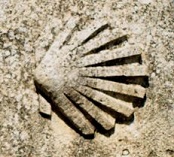
The Camiño de Santiago, or the Way of St. James in English, is a network of pilgrims' ways or pilgrimages leading to the shrine of the apostle James in the cathedral of Santiago de Compostela in Galicia in northwestern Spain, where tradition holds that the remains of the apostle are buried. Pilgrims follow its routes as a form of spiritual path or retreat for their spiritual growth. It is also popular with hikers, cyclists, and organized tour groups.
In this presentation we will accompany Vicente by cycle along this historic route of pilgrimage.
Thu 1st Oct 2026
Fratton Community Centre, 7pm
More information about this presentation will be available soon. Keep checking the website for updates.
Thu 5th Nov 2026
Fratton Community Centre, 7pm
More information about this presentation will be available soon. Keep checking the website for updates.
Thu 3rd Dec 2026
Fratton Community Centre, 7pm
Full details about the society's Christmas Party will be posted in the near future.
Thu 14th Jan 2027
Delivered via Zoom, 7pm

For January's presentation the Society welcomes back David Sinclair. David's passion for abstract art is reflected in the quality of his presentations, for example the May 2023 talk introducing Spanish abstract painters, focusing on Chillida and Palazuelo. This month's talk will focus on Picasso's early years in Spain.
Picasso's father, an art teacher, recognized his son’s precocious talent. By the age of seven Picasso was receiving formal training in figure drawing and oil painting from his father. Malaga, Picasso's birth place, also played a significant role in shaping Picasso's artistic sensibilities with its rich history and cultural heritage. However, Picasso’s childhood was not without its struggles. His family faced financial difficulties, forcing them to move frequently in search of better opportunities. These upheavals disrupted Picasso’s education and stability, but they also exposed him to different cultural influences and artistic traditions, enriching his creative palette.
David's presentation will probe these early years, expanding on the experiences and influences that helped shape one of the most influential artists of the 20th century.
Thu 4th Feb 2027
Delivered via Zoom, 7pm

Lisbeth is an academic studying family attitudes, language use practices, and the Spanish proficiency of heritage speakers, as perceived by their parents. The Heidelburg University study has found that families are the primary drivers of the continuity of Spanish, acting as agents of linguistic, identity, and cultural transmission. The mother's level of Spanish and contact with the Spanish-speaking family significantly influence language use and exposure with the transmission of Spanish in migratory contexts depends on everyday use, the family environment and positive attitudes, rather than formal teaching.
Thu 4th Mar 2027
Fratton Community Centre, 7pm
More information about this presentation will be available soon. Keep checking the website for updates.
Thu 1st Apr 2027
Fratton Community Centre, 7pm
More information about this month's presentation will be available shortly. Keep checking the website for updates.
Thu 6th May 2027
Fratton Community Centre, 7pm

Frigiliana, situated about 71 kilometers east of Málaga, has a long history. The name Frigiliana is thought to have Roman or Greek origins. In 711 the Muslim conquest began, bringing the region under Islamic rule and the introduction of agricultural innovations, including hydraulic systems of irrigation channels and reservoirs still in use today, as well as new crops like sugarcane. In 1569 Frigiliana was taken by Christian forces during the Reconquista and repopulated with Old Christians from Granada and Valencia.
For four days at the end of August each year, Frigiliana hosts the Festival of the Three Cultures (Festival de las Tres Culturas), celebrating the region's historic confluence and co-existence of Christian, Muslim and Jewish traditions. Jan's presentation will give you a flavour of this festival drawing on her personal experience of visiting the area during the event.
Thu 3rd Jun 2027
Fratton Community Centre, 7pm
Details of this evening's presentation will be posted in the near future.
Where we meet
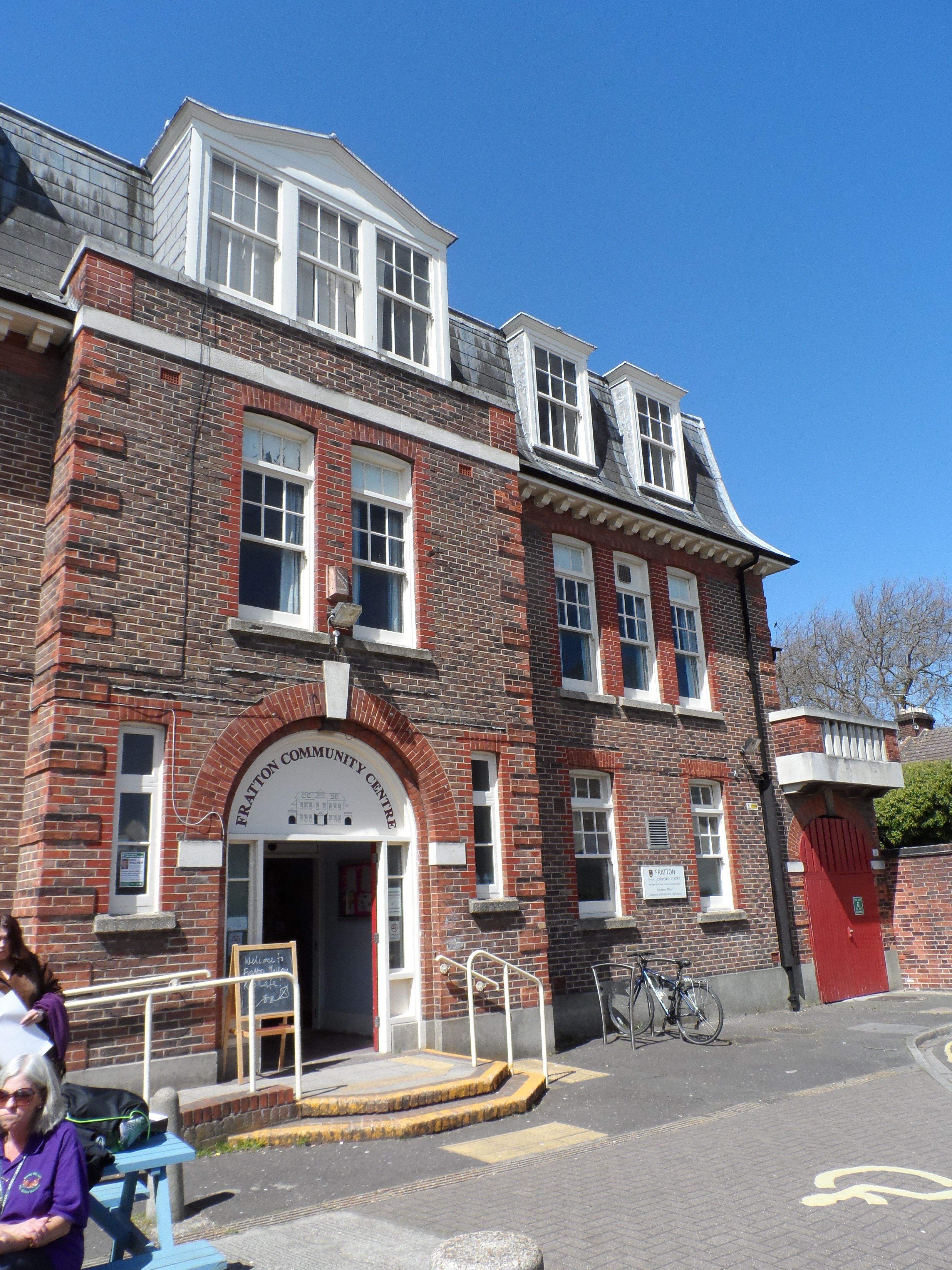 Meetings are held at
 The Fratton Community Centre
Trafalgar Place.
Off Clive Rd, Portsmouth
PO1 5JJ
at 7.00pm usually on the first Thursday of the month.
Click here for a MAP
Busses 14 18 21 and 25 stop at St Mary's Church, about 2 minutes walk away.